How Prop Money Is Used in Film Productions & Australian Screen Compliance
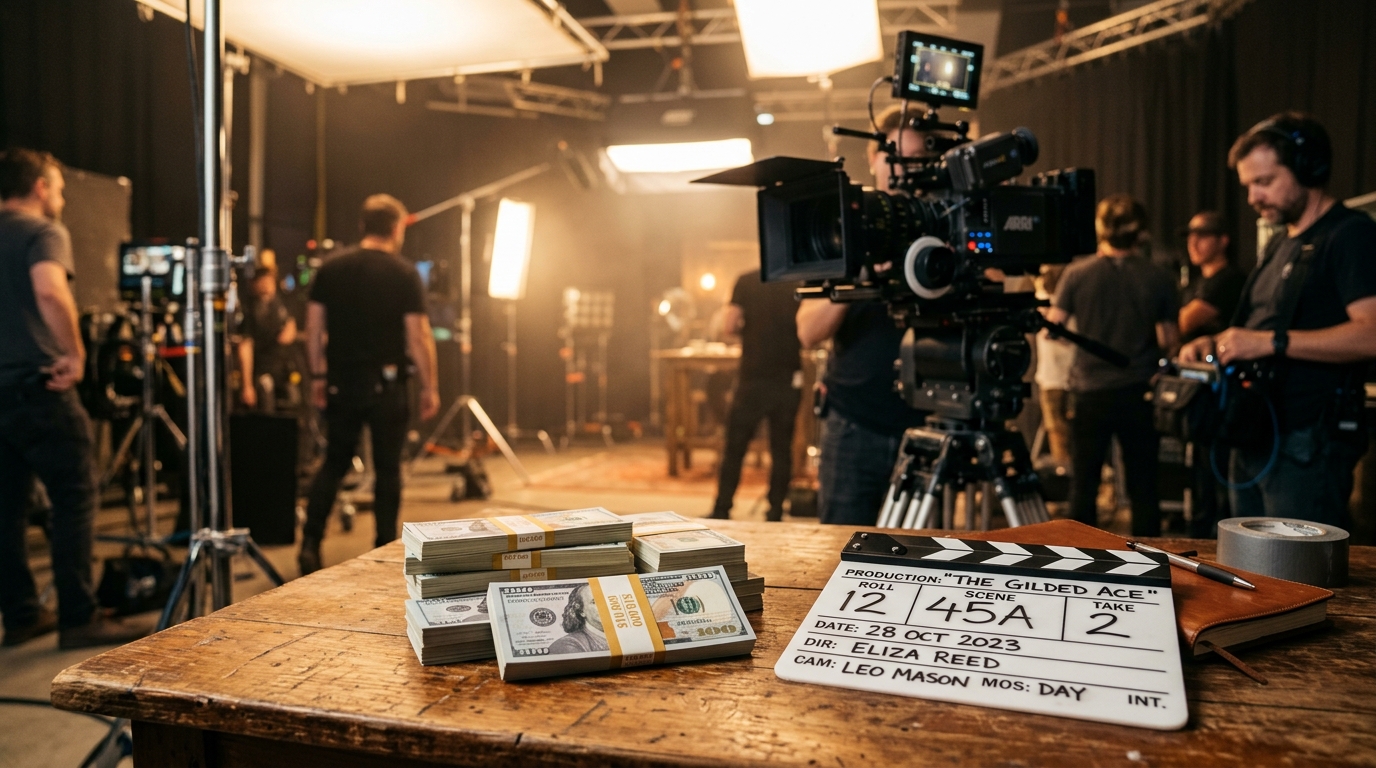
Key Production Takeaways
- Understanding RBA and Commonwealth Crimes (Currency) Act requirements for movie props
- Why synthetic polymer substrate is essential for realistic bill handling on 4K/8K cinema sensors
- Techniques for aging and weathering prop money stacks to match script timelines
- How to log prop currency on studio call sheets and set security protocols
In high-stakes cinema, visual authenticity can make or break the illusion of a scene. Whether filming a tense ransom exchange in a Melbourne alleyway or a multi-million-dollar casino showdown in Sydney, prop currency must perform under intense camera scrutiny while remaining strictly compliant with Australian law.
Under the Crimes (Currency) Act 1981 and Reserve Bank of Australia (RBA) guidelines, reproduction of currency must satisfy strict criteria to ensure it cannot be mistaken for real legal tender. Our prop money is engineered with non-counterfeit modified plates, distinct "FOR MOTION PICTURE USE ONLY" identifiers, and optical security variations.
Unlike cheap paper photocopies that flutter unnaturally, modern Australian film props utilize biaxially-oriented polymer plastic substrate. This ensures actors can perform rapid hand-counts, riffle shuffles, and dramatic briefcase spills with the identical acoustic snap and weighted inertia of genuine Australian banknotes.
When lighting prop currency on set, directors of photography (DPs) should utilize diffused softboxes at a 45-degree angle. This catches the simulated holographic foil sheen without creating harsh specular hot spots on digital cinema sensors.